Hot and humid summers in Durham can put a lot of pressure on your AC system. Over time, this can cause problems like weak cooling, poor airflow, extra moisture in your home, or even a full system breakdown.
The good news is that many of these issues can be reduced with a few simple steps and regular care. In this guide, you will learn the most common AC problems during hot summers and simple ways to prevent them. Catching these issues early can help you stay comfortable and avoid expensive repairs. Understanding common summer AC issues can help you prevent bigger problems before they start.

|
TL;DR AC problems in Durham summers happen due to heat, humidity, and airflow issues, but simple steps like regular maintenance, filter changes, and airflow checks can prevent most breakdowns and keep your home comfortable. |
Why Do AC Systems Struggle in Durham Summers?
The common summer issues that arise in Durham are because of high humidity, extreme heat, and continuous operation that increases system strain.
Durham’s summer heat and humidity place constant demand on the equipment. Even if you install it properly, it can struggle in some cases with airflow, insulation, or maintenance issues.
High Humidity Makes Cooling Feel Incomplete
Your AC removes both heat and moisture from the air. When humidity levels rise, the system needs more time to reduce moisture before the home feels comfortable. As a result, the AC runs longer while the air may still feel damp or sticky.
Extreme Heat Increases System Workload
Outdoor temperatures in summer force air conditioners to operate for longer cycles. Continuous operation increases strain on key components like the compressor and evaporator coil. If the system already has minor issues, extreme heat can quickly make performance problems more noticeable.
Older Homes Trap Heat and Moisture
Many Durham homes were built before modern HVAC design standards. Limited insulation, aging ductwork, and restricted return airflow allow heat and moisture to build up inside the house. This makes it harder for the AC system to maintain consistent cooling throughout the home.
The Most Common AC Problems in Durham Homes
The most common AC problems in Durham homes include weak cooling, high indoor humidity, short cycling, and water leaks. In many cases, airflow problems inside the duct system can reduce overall cooling performance.
1. AC Not Cooling Properly
When your AC system runs without cooling, the cause is often restricted airflow or basic maintenance issues. A clogged air filter or blocked return vent can prevent the system from moving enough air through the house. In some cases, the outdoor condenser may also struggle if debris blocks airflow around the unit.
Low refrigerant level is another cause. It can also reduce cooling performance and make the system less effective over time.
2. Indoor Air Still Feels Humid While the AC Runs
If the system cools the air too quickly or runs short cycles, it may not remove enough humidity. The home may reach the set temperature while still feeling damp or sticky.
3. Weak Airflow or Uneven Cooling
Some rooms may feel cool while others stay warm. Especially in multi-level homes without balanced airflow, upstairs often stays hotter than downstairs. Blocked vents or restrictions can limit how cool air moves through your home.
4. AC Short Cycling
Short cycling happens when the AC turns on and off too frequently. Instead of completing full cooling cycles, the system shuts down quickly and restarts. This problem can occur because of thermostat issues, underlying system issues, or overheating components.
If short cycling continues, it may point to deeper system problems during extreme heat, such as airflow issues or incorrect system sizing.
5. Water Leaks or Frozen Coils

Air conditioners naturally produce condensation as they remove humidity from the air. If the condensate drain becomes clogged, water can leak around the indoor unit. It is one of the biggest reasons behind evaporator coil freezing. When the airflow drops and the system runs too long, the system has to operate without adequate airflow.
Why Do Older Durham Homes Have More AC Issues?
Many homes in Durham were built before modern HVAC efficiency standards became common.
Structural design, aging materials, and older airflow layouts can make it harder for air conditioning systems to maintain consistent comfort during summer.
Cause 1: Older Ductworks Restrict Airflow
Older ductwork can reduce airflow and make cooling less effective. Small leaks can also cause cool air loss before it reaches your rooms. This limits the amount of conditioned air delivered throughout the home.
Cause 2: Poor Return Air Design
Older home layouts often have fewer return vents or poorly placed return pathways. Limited return airflow makes it harder for the system to circulate air efficiently across the house.
Cause 3: Low Attic Insulation Increases Heat Gain
Attics absorb large amounts of heat during Durham summers. If attic insulation is thin or deteriorated, that heat transfers into the living space below. Increased indoor heat gain forces the AC system to run longer to maintain the desired temperature.
How to Prevent AC Problems in Summer
You can prevent AC problems by changing filters regularly, keeping airflow clear, scheduling maintenance, and managing indoor humidity. Maintain your AC properly to keep the system running efficiently and reduce the risk of breakdowns.
Schedule Regular HVAC Maintenance
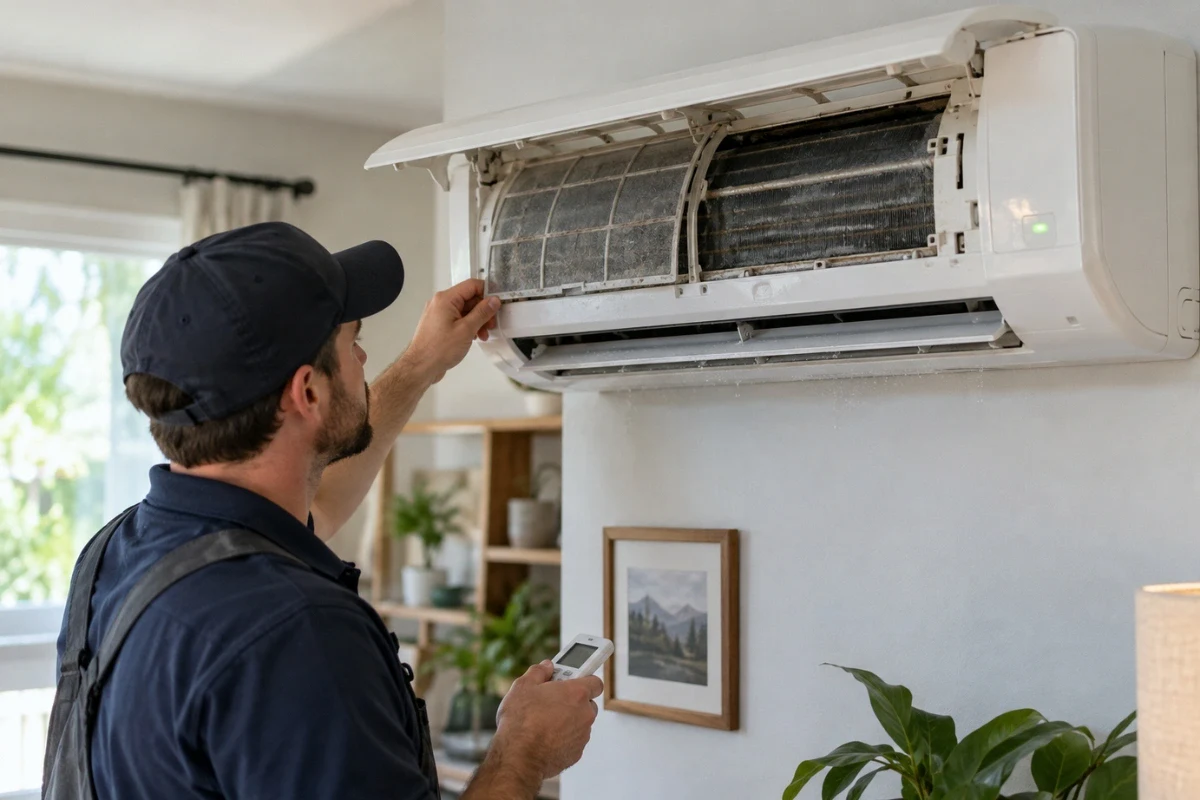
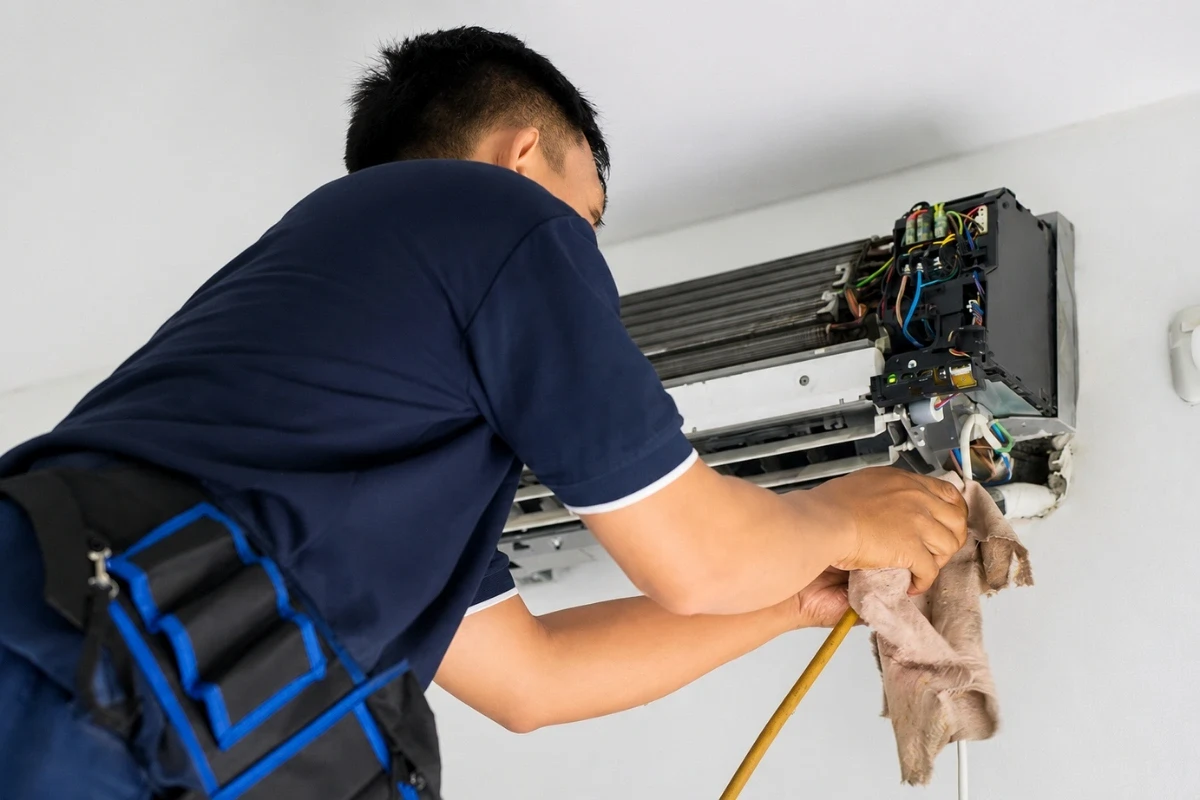
Professional maintenance allows technicians to inspect the system, clean internal components, and confirm that key parts operate correctly. Routine service helps detect developing issues early and keeps the equipment working efficiently during high summer usage.
Follow a Regular Filter Replacement Schedule
Replacing air filters on a consistent schedule supports proper airflow through the system. Clean filters allow air to circulate freely, maintain steady cooling, and help prevent common AC smells and indoor air quality issues.
Keep Outdoor Units Clear of Debris
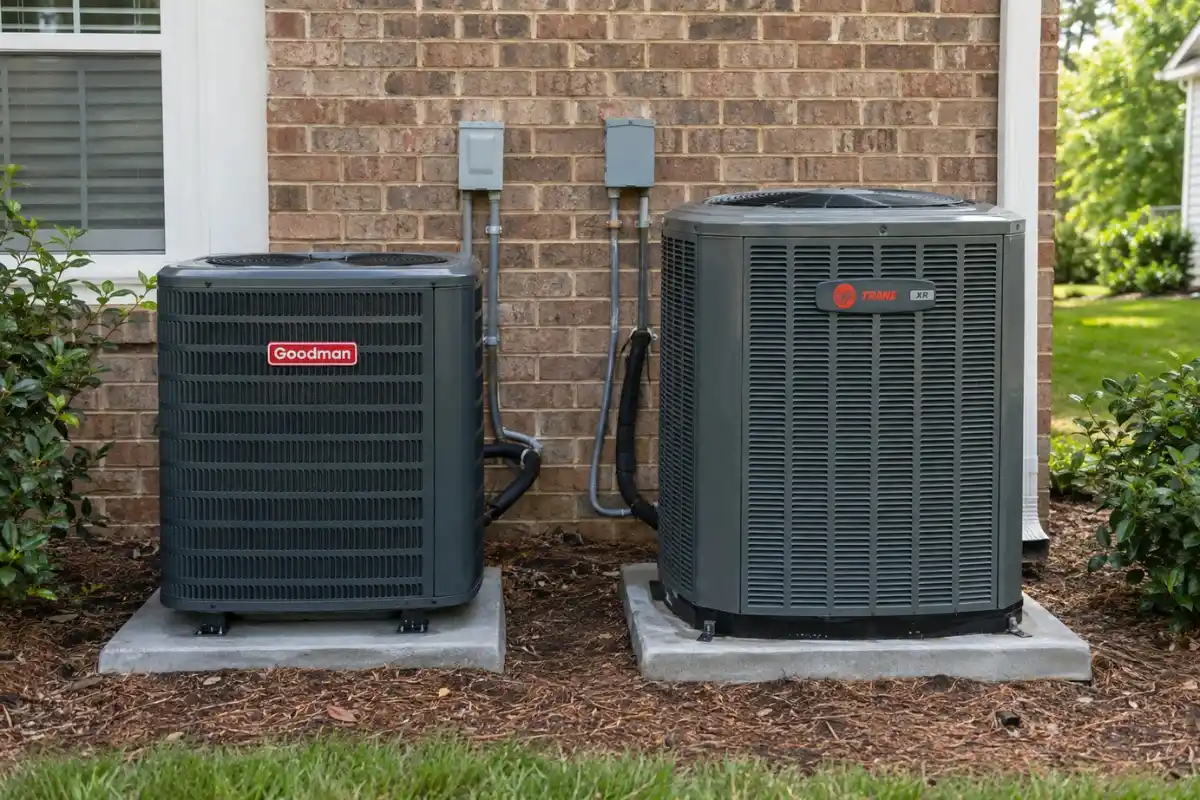
The outdoor condenser unit releases the heat collected from inside your home. When leaves, grass clippings, or nearby vegetation build up around it, airflow becomes restricted, reducing the system’s ability to expel heat efficiently. Keeping the area around the condenser clear not only improves performance but also helps protect the unit from damage during storms and heavy debris buildup.
Improve Indoor Humidity Control
Managing indoor moisture levels helps the AC system maintain comfort more easily. Simple steps such as sealing air leaks, using proper ventilation, and maintaining consistent thermostat settings can reduce humidity buildup inside the home. Lower indoor moisture levels allow the system to cool more efficiently during Durham’s humid summers.
What Should You Check Before Calling for AC Repair?
Facing issues and now thinking about a repair call? Before you call for professional AC repair, you can check a few simple things. These quick steps can help you identify small issues and avoid unnecessary service calls.
Check Thermostat Settings
Make sure your thermostat is set to “cool,” and the temperature is lower than the current room temperature. If the display is blank or unresponsive, it may be one of the reasons why your thermostat is not working, such as dead batteries or a wiring issue.
Check the Air Filter
A clogged air filter can block airflow and reduce cooling performance. Remove the filter and inspect it for dust buildup. If it looks dirty, replace it. Clean airflow helps your system cool more effectively.
Make Sure Vents Stay Open
Walk through your home and check the supply and return vents. Make sure they are open and not blocked by furniture, rugs, or curtains. Blocked vents can restrict airflow and cause uneven cooling.
Look for Water Leaks Near the System

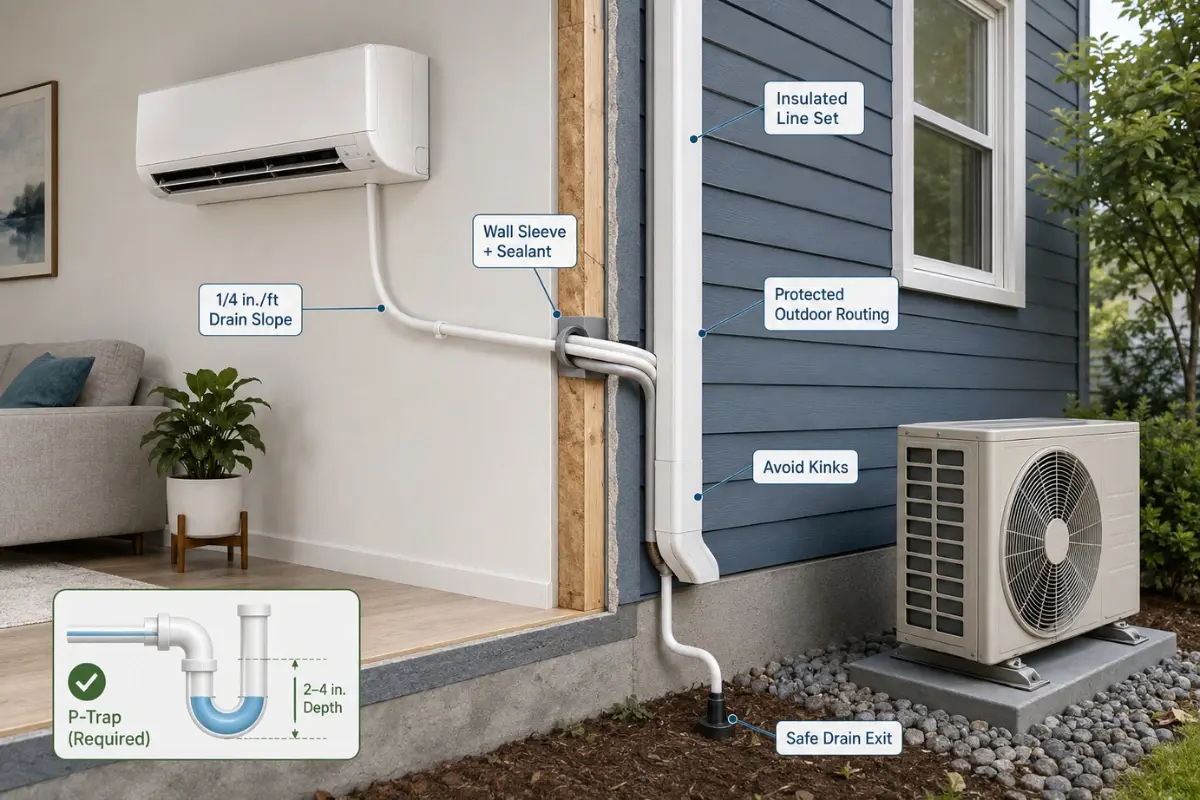
Check around your indoor unit for signs of water. Moisture or pooling water may indicate a clogged drain line. Addressing this early can help prevent water damage and system issues.
Inspect the Outdoor Condenser Unit
Go outside and check the condenser unit. Make sure there is no debris, leaves, or overgrown vegetation blocking airflow. The unit needs open space to release heat properly.
Final Thought
Keep your AC running smoothly with simple steps like changing filters on time, keeping airflow clear, and scheduling regular maintenance. Small actions like these can prevent the most common problems before they start.
If your AC keeps struggling or your home still feels uncomfortable, it may be time for a professional inspection. Alternative Aire can help you identify the root problem and improve your system’s performance for long-term comfort.
FAQ
High humidity does not directly damage your AC, but it increases system strain. The unit must remove both heat and moisture, which extends run time. Over time, this added workload can reduce efficiency and wear down components.
Your AC can freeze due to low airflow or long run times, even in hot weather. Reduced airflow makes the coil too cold, and moisture turns into ice. Dirty filters or blocked vents are common causes of this issue.
You may have poor airflow if rooms feel uneven, vents blow weak air, or cooling feels inconsistent. Blocked vents, dirty filters, or duct issues often reduce airflow and comfort.
Yes, AC systems often work harder during extreme heat. Most systems are designed for average conditions, not peak temperatures. If your home still feels uncomfortable, airflow or maintenance issues may be involved.
Your AC needs regular filter changes every 1 to 3 months and at least one yearly inspection. Basic maintenance helps prevent airflow issues, reduces breakdown risk, and keeps cooling efficient.