Investing in a new heating and air conditioning system is one of the biggest expenses for North Carolina homeowners. If you are asking, “How long does a heat pump last?” the answer is often between 10 and 15 years. However, in the high-demand climate of the Triangle, that number can shift dramatically based on proper sizing, disciplined maintenance, and the quality of the installation.
Experts in the North Carolina mountains observe the average heat pump lifespan to be around 17 years, but the long, humid summers of the Durham area place a unique and substantial strain on the entire system. Understanding what factors truly dictate your unit’s longevity is the key to maximizing your investment.

Key Takeaways
|
Four Critical Factors Dictating Your System’s True Longevity
The expected 10-to-15-year lifespan of your HVAC unit is only an estimate. Your system’s actual durability is determined by several factors, including its physical location and how well it was initially installed.

1. Installation Quality and Correct Sizing
Nothing impacts your system’s life more than the quality of the initial setup. A poor installation (including the lack of a proper load calculation) is the single most detrimental factor leading to premature failure.
An improperly charged or “gassed” system with moisture or debris in the refrigerant lines will create stress that can kill the expensive compressor within a few years, often just outside the standard manufacturer warranty.
This is why professionals insist on choosing the right HVAC size for your home in Durham. An undersized or oversized unit will constantly “short-cycle” or run too long, suffering unnecessary wear and premature failure.
2. System Type, Quality, and Refrigerant Type
Higher-quality, premium models generally last longer. For instance, Geothermal Heat Pumps can last over 20 years for the indoor unit and 50+ years for the ground loop, significantly longer than standard Air-Source Heat Pumps.
The type of refrigerant your unit uses directly impacts future repair costs. Systems using the phased-out R-22 (Freon) are significantly more expensive to repair than those using R-410A, as remaining R-22 supplies are scarce. When dealing with an old system and a major leak, replacing it becomes a far more cost-effective choice than repairing a system with obsolete or expensive refrigerant.
3. Usage Patterns and Component Degradation
The constant on-off cycle required for air conditioning and heating services throughout the year in North Carolina accelerates component wear.
The high-pressure conditions created by continuous operation degrade your compressor oil faster. Furthermore, the thermal expansion and contraction of metal components during heating and cooling cycles can loosen solder joints, leading to slow micro-leaks and the gradual loss of refrigerant.
4. The Consistency of Maintenance and Care
The difference between a 10-year lifespan and a 20-year lifespan almost always boils down to accurate maintenance. If you get disciplined, annual professional tune-ups, your systems are more likely to run at peak efficiency, and the manufacturer’s life expectancy for expensive parts is met.
Maximizing Your Investment: Proactive Maintenance and Efficiency
Extending the life of your heat pump beyond the manufacturer’s estimate requires taking a proactive approach to its care. By focusing on consistent maintenance, you protect your system from the daily stress of providing air conditioning and heating services.
The Value of Annual Professional Service
The best defense you can get against high energy bills and premature breakdown is a preventive maintenance plan.
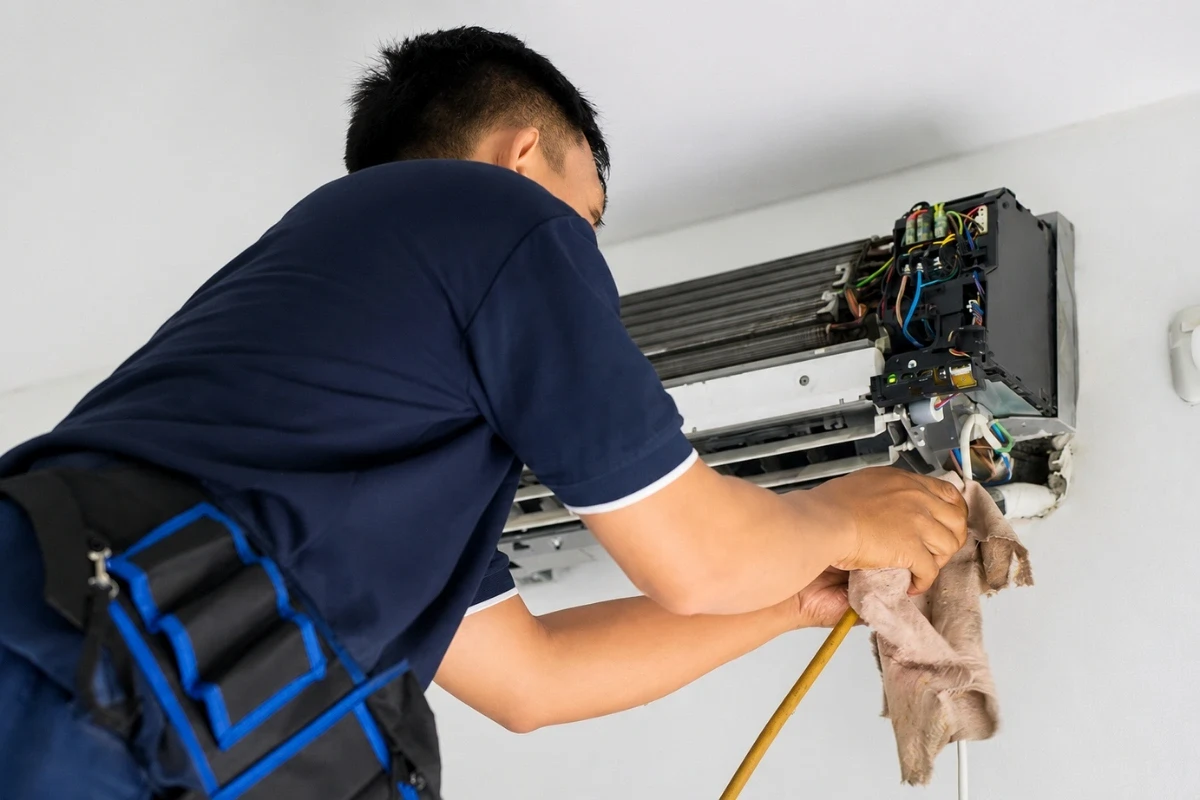
Annual HVAC inspection checklists are comprehensive. The technician will:
- Check for proper subcooling/superheat
- Test the defrost cycle in the fall
- Check electrical connections and capacitors for proper voltages
- Clean out the condensate drain line to prevent clogs common in humid environments
Always get your HVAC system maintained regularly by professionals like Alternative Aire, so that every inspection is on point and the warranty stays intact.
Advanced DIY Care: Cleaning the Coils
Changing the air filters every 1-3 months is one of the easiest HVAC fixes you can try first. Beyond that, keeping the coils clean is vital for maintaining capacity and efficiency.
- Outdoor Unit: Ensure a 2-3 foot clearance around the outdoor unit. Debris, grass clippings, and high pollen counts can quickly plug the condensing unit.
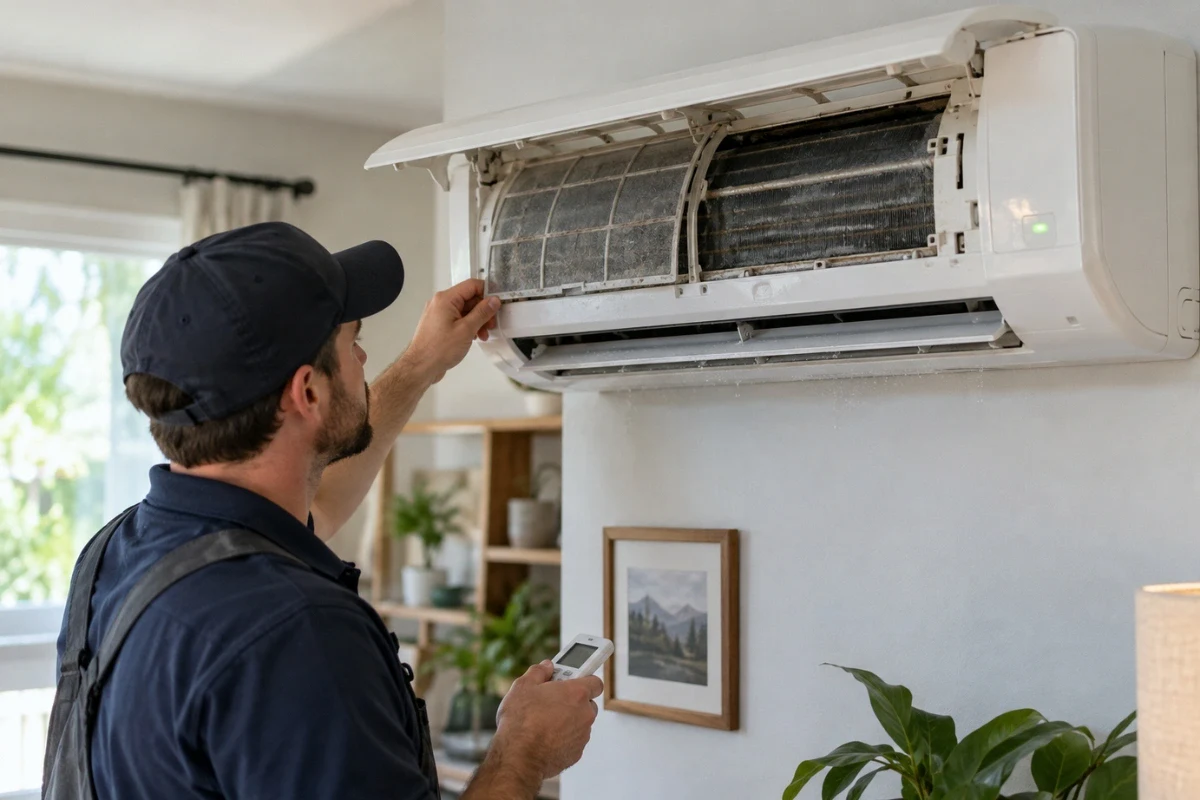
- Indoor Unit: The indoor evaporator coil section and the blower wheel must be kept clean to maintain proper airflow verification.
Warning on Pressure Washers
Never use a high-powered pressure washer on your outdoor coil, as this can easily bend the sensitive metal fins and damage the internal heat exchange surface. Use a soft brush and a specialized chemical coil cleaner with a garden hose instead.
Local Energy-Saving Techniques
Some simple energy efficiency tips for HVAC owners in the Triangle can save you hundreds annually. For example:
- Zoned Comfort: Utilizing zone systems allows you to heat or cool only the areas of the house you are using, drastically cutting down on wasted energy.
- Smart Thermostats: Program your thermostat to match your usage patterns to ensure your system isn’t running hard when the house is empty.
Upgrade vs. Repair: Signs It’s Time to Replace
Deciding whether to pay for yet another costly repair or invest in a new system is one of the toughest financial choices for a homeowner. Knowing the signs that your unit has reached the end of its reliable life can save you money and prevent emergency breakdowns.

When to Stop Repairing
The financial tipping point for replacement is often reached before the system fails completely.
- Look for these signs that you need an HVAC upgrade versus repair: rising energy bills (often caused by a failing capacitor in aging units), and the overall cost-effectiveness of the repair.
- Use the 50% Rule: If a single repair exceeds 50% of the cost of a new system, it’s smarter to invest that money into a high-efficiency replacement.
Critical Failure Indicators
Replacement becomes mandatory when the system experiences inconsistent temperatures, frequent, loud, unusual noises (grinding or banging), or a significant loss of capacity and cooling power.
The Logistics of Emergency Replacement in Peak Season
When your system dies unexpectedly, the main concern shifts from “How long does it last?” to “How quickly can it be fixed?” Understanding the industry realities during peak demand is essential for setting expectations.
Addressing Customer Lead Time Concerns
When a unit fails during a summer heat wave or a winter cold snap, the main question is: “How soon can you replace an HVAC system in peak season?”
Scheduling Reality: During high-demand periods, contractors operate under a job backlog and must triage emergency calls, which can significantly increase the lead time for installation.
Minimizing Downtime and System Changeover
A key anxiety is the inevitable time without conditioned air: “How long will I be without cooling during replacement?”
- Timeline: The physical installation day for a standard replacement usually takes 1–2 days.
- Mitigation: To minimize downtime, ask about temporary cooling options (like spot coolers). Plan ahead by pre-ordering replacement systems during the quieter shoulder seasons to avoid technician scheduling bottlenecks and potential parts shipment delays.
- Commercial Services: For business owners, coordinating commercial services requires extensive planning to ensure the least amount of production downtime. Reputable companies can arrange an off-hours installation window (even a weekend install) to minimize occupant impact.
Frequently Asked Questions (FAQ)
What is the major disadvantage of a heat pump?
The main disadvantage of an air-source heat pump is its reduced efficiency in extreme cold. While modern systems perform much better than older models, they still need to work harder and use more auxiliary heat (electric heat strips) when temperatures drop to or below freezing.
Do heat pumps break down a lot?
No. Properly installed and regularly maintained heat pumps are reliable. They are subject to routine component wear, but the most common minor repairs (replacing a capacitor or a sensor) typically occur between the 5–10 year mark.
How much does a heat pump cost to replace?
The cost to replace a heat pump in the Durham area typically ranges from $4,000 to $9,000 for a standard-efficiency air conditioning and air handler system, and up to $15,000 or more for high-efficiency zone systems or complex installations. The final price depends on the tonnage, SEER rating, and whether new ductwork is required.