If you have just installed a modern thermostat, but your HVAC keeps turning on and off rapidly, this is a massive issue. This causes wear and tear on your investment. At Alternative Aire, we help homeowners solve this exact issue every single day.
To fix it, you need to understand your screen displays, adjust your internal cycle rate settings, and check your airflow. Let’s decode your device, troubleshoot why your system cycles too fast, and get your home dialed in perfectly.

|
TL;DR Access your thermostat’s installer settings to widen the temperature swing (differential) and lower the Cycles Per Hour (CPH), ensuring your system runs for at least 10 to 20 minutes per cycle. |
The Silent HVAC Killer: What is Short Cycling?
Short cycling is when your air conditioner, heat pump, or furnace turns on and off too quickly, usually in bursts of less than 10 minutes. This prevents the system from completing a full heating or cooling cycle. A proper cycle length is 10 to 20 minutes.
This frequent on-off cycle is a dangerous HVAC issue for several reasons:
- Equipment Wear and Tear: The highest startup power draw and mechanical stress occur when a system kicks on. Constant starting causes massive compressor cycling stress.
- Soaring Utility Bills: Because starting the system requires more energy than running it, you will see an electric bills increase from short cycling.
- Comfort Issues: An AC short cycles but feels cool right near the vent, or you may feel upstairs is hotter or colder than downstairs. This leads to a clammy house because the system shuts off before proper humidity removal during the cooling cycle.
Is short cycling related to your thermostat?
Yes, your temperature controller acts as the brain of your HVAC system. The thermostat’s settings directly control how long your equipment runs.
I get asked that a lot, especially when people buy new thermostats. There’s a particular connection between new thermostats and short cycling. If the internal software tells the system to start and stop too quickly, your system will follow and suffer.
How to Avoid Short-Cycling with a Modern Thermostat?
A smart thermostat’s role in avoiding short cycling is another common question I face. The truth is, almost any modern thermostat can prevent this if you configure it correctly in the installer settings menu. Here are the critical settings you need to check:

1. The 3-Minute Rule and Compressor Protection
The minimum compressor off-time setting (usually 3 to 5 minutes) prevents the system from immediately restarting after shutting down. It is a built-in compressor short-cycle protection feature. This protects the capacitor and contactor from blowing out due to pressure imbalances.
2. Cycle Rate and Temperature Swing
The cycle rate (CPH) and temperature swing setting tell your system the maximum number of times it is allowed to turn on in one hour.
- Cycles Per Hour (CPH):
You can adjust the cycle rate to fast, medium, or slow depending on your equipment.
- The best cycle rate for a gas furnace or a high-efficiency furnace is usually 3 to 5 times an hour.
- For cooling, the standard forced air system cycle rate for an air conditioner or the best cycle rate for a heat pump is usually 3 times an hour.
- A boiler thermostat cycle rate or steam heat thermostat cycle rate needs much more time, often just 1 cycle per hour.
- Temperature Differential (Deadband/Hysteresis):
The temperature deadband or hysteresis (thermostat swing) dictates how far the ambient temperature can drift away from your target goal. They are the allowed “wiggle room” your system gives you before it turns on.
For example, 0.5 degrees of adjustable temperature differential (swing) creates a very stable indoor temperature. However, this level of tighter temperature control forces the system to turn on and off constantly to keep up with that exact number.
That’s why we always recommend setting a wider temperature swing. Increasing the number by even 1 or 2 degrees gives your system time to rest. You get a much longer runtime for efficiency, and it heavily protects your equipment.
Decoding and Managing Your New Thermostat
At Alternative Aire, we want you to feel completely confident using your new system. Let’s break down your screen displays and daily schedules.
Basics of Thermostat Display
Learning how to read a new thermostat display is your first line of defense. You can clearly see the ambient temperature vs set temperature in most modern thermostats. This simply means your current room heat versus your target goal.
Having your setpoint temperature explained makes it easy to choose your exact comfort level. You can also easily adjust the temperature scale in Fahrenheit or Celsius in your main menu.
How to Set and Read the Thermostat Correctly
To prevent short cycling, you must get your thermostat display meanings and thermostat symbols and icons correctly from the start.
- A tiny flame or snowflake shows your heat mode vs cool mode.
- Pay close attention to the “auto” symbol. It configures a proper auto changeover thermostat setting or changeover setting for the heat pump. This prevents your system from switching between hot and cold too rapidly.
Managing the Settings Later On
Every thermostat programming for beginners starts with a solid thermostat schedule setup for each scheduled time period on the thermostat. Sometimes you want a quick change, so a program schedule override (temporary) holds a new temperature for a few hours.
Knowing how to use the HOLD button for a temporary hold vs hold mode gives you ultimate control. Always learn how to cancel a thermostat hold by following your CANCEL HOLD instructions or pressing the SAVE button on the thermostat to return to your normal routine. Moreover, keep an eye out for thermostat notifications about issues.
Adjusting Your Installer Settings
If your system is still cycling too fast after checking your basic display, the fix is usually locked inside the installer settings menu of the thermostat. Whether you use a Google Nest (or Nest thermostat), Ecobee, Honeywell Home, or any other major brands, you can access this advanced menu to fine-tune your equipment.
Aside from adjusting the cycle rate and temperature swing, follow the 3-minute rule for AC compressors. You need to ensure a solid minimum compressor off-time setting (often called minimum compressor off-time or compressor protection timer of thermostat) is active. By verifying this, along with your minimum run time and minimum off time thermostat setting, you guarantee a safe, proper cycle length of 10 to 20 minutes.
Some Expert Tips to Avoid Short Cycling
You can stop most rapid cycling issues by regularly replacing your air filters, clearing your outdoor unit, and ensuring your HVAC system is properly sized for your home.

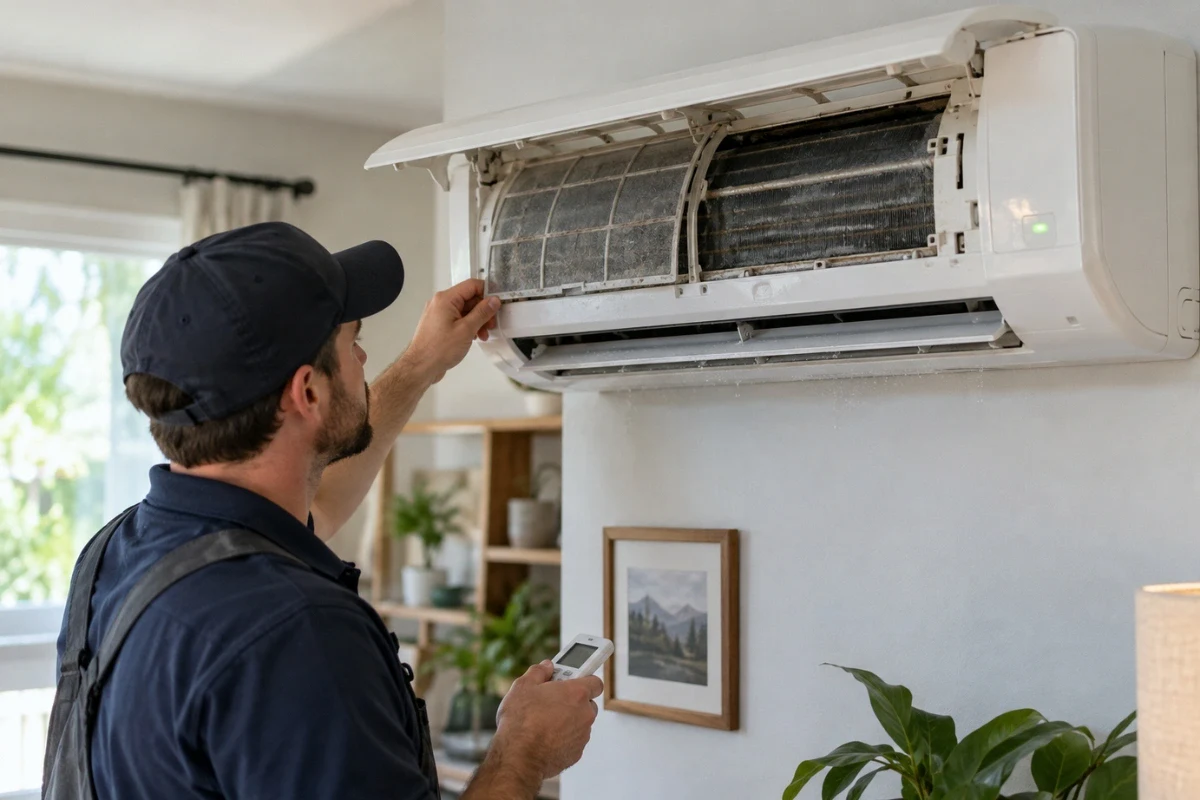
- Check Airflow First: A dirty air filter causing short cycling is the most common culprit. A clogged air filter creates restricted airflow. It prevents air from moving through your restricted ductwork, return vent, and supply vent.
In winter, this traps heat in the heat exchanger, tripping the limit switch (furnace safety). In summer, it leads to a frozen evaporator coil short cycling event on your evaporator coil.
- Verify System Sizing: An oversized AC short cycling is a major issue because an oversized unit cools the house too fast and shuts off.
- Balancing Humidity: Managing the indoor humidity to maximize comfort in summer is important. Use an efficient dehumidifier for that.
- Inspect Mechanicals: If your compressor keeps restarting, you might have low refrigerant from a refrigerant leak or dropping refrigerant levels.
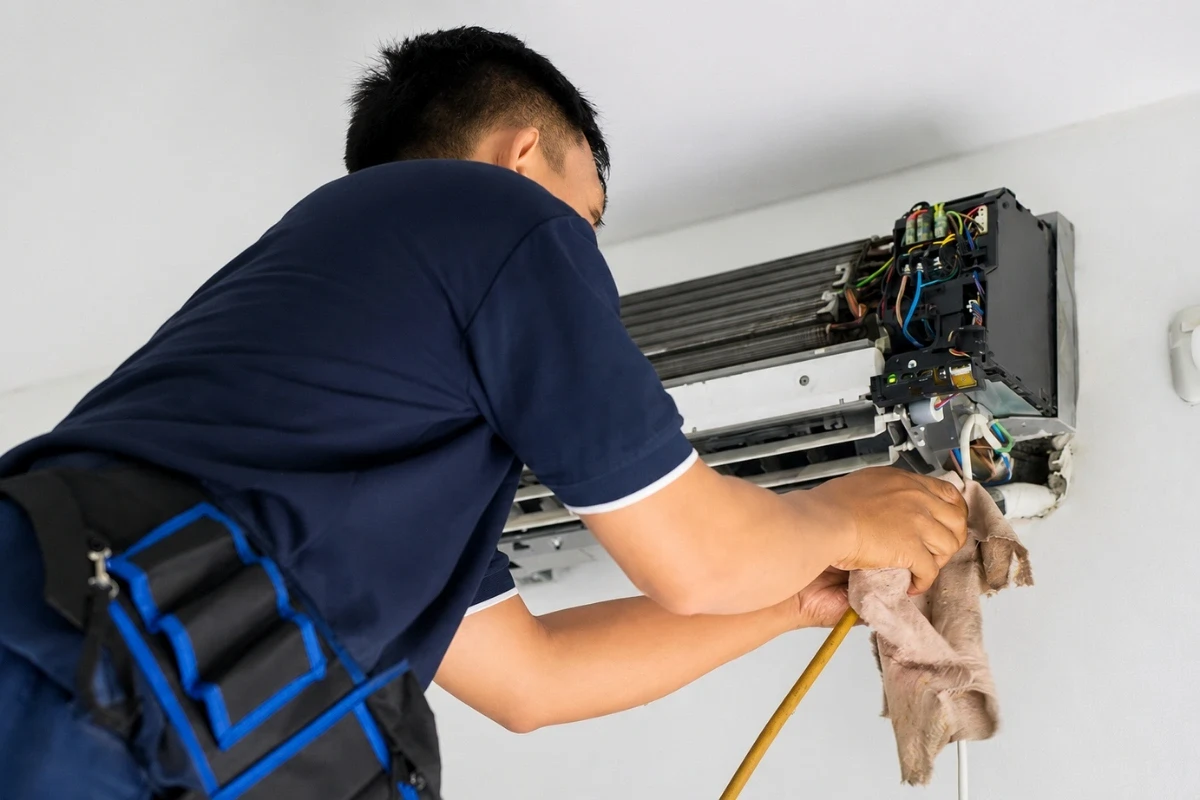
Also, check for electrical problems causing short cycling like a bad capacitor, burnt contactor, loose wiring, control board faults on the control board, or pressure switch problems inside the air handler. Finally, ensure your drain line and condensate pump are clear. Our post-installation testing checklist can help in this case effectively.
The Post-Install Quality and Comfort Tuning Setup
Post-install quality and comfort tuning are important to ensure a properly sized HVAC system. We utilize a manual J load calculation (backed by ASHRAE and the US Department of Energy) for your system.
Balancing the latent vs sensible load via the humidity reading on a smart thermostat (or humidistat) allows setting dehumidification targets for summer comfort. Our process optimizes your forced air. We also follow the residential inspections checklist for Durham.
Final Thoughts
A healthy heating and cooling system relies on a well-managed thermostat. By understanding your screen symbols, setting proper cycles per hour, widening your temperature swing, and maintaining clean filters, you ensure maximum comfort and efficiency.
If you have adjusted your short cycling thermostat settings and the rapid starting and stopping continue, it is time to schedule an HVAC maintenance to stop short cycling. The experts at Alternative Aire are ready to inspect your system and keep it running beautifully for years.
Frequently Asked Questions (FAQs)
Is short cycling expensive on my electric bill?
Yes, the constant startup sequence draws massive amounts of power from your electrical panel. This spikes your monthly energy costs significantly compared to a system that runs longer, steadier cycles.
Should I lower the fan speed to reduce short cycling?
Yes, lowering the fan speed on a variable-speed system helps the indoor coil remove moisture from the air for a longer period of time. This prevents the system from cooling the room too rapidly.
What is the $5000 rule for HVAC?
Multiply the age of your equipment in years by the estimated repair cost. A total number over $5000 means a full system replacement is usually the smarter financial choice.
How many cycles per hour is normal for forced air?
Most forced-air systems and high-efficiency gas furnaces run optimally when starting up 3 to 5 times every hour.
How can I stop short cycling without replacing equipment?
Wash your outside condenser unit gently with a water hose to remove dirt, replace all of your indoor air filters, and open all room vents completely to allow proper, healthy airflow.