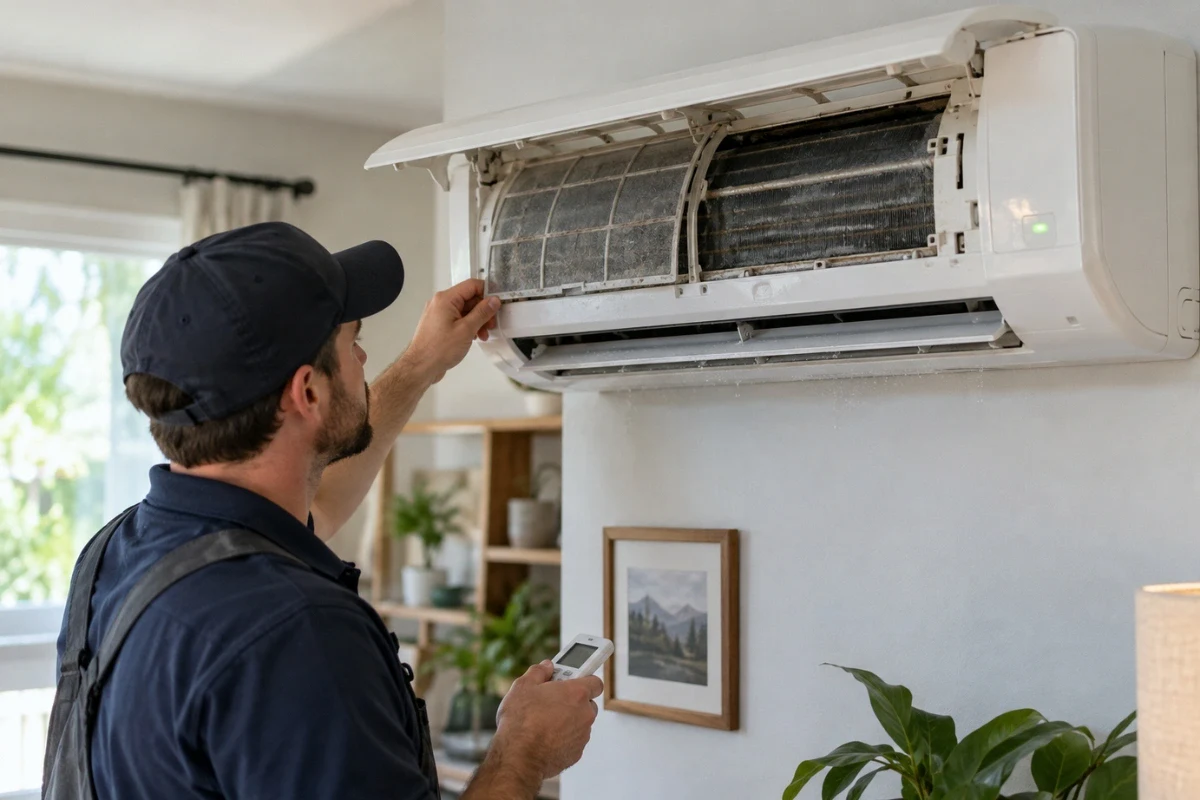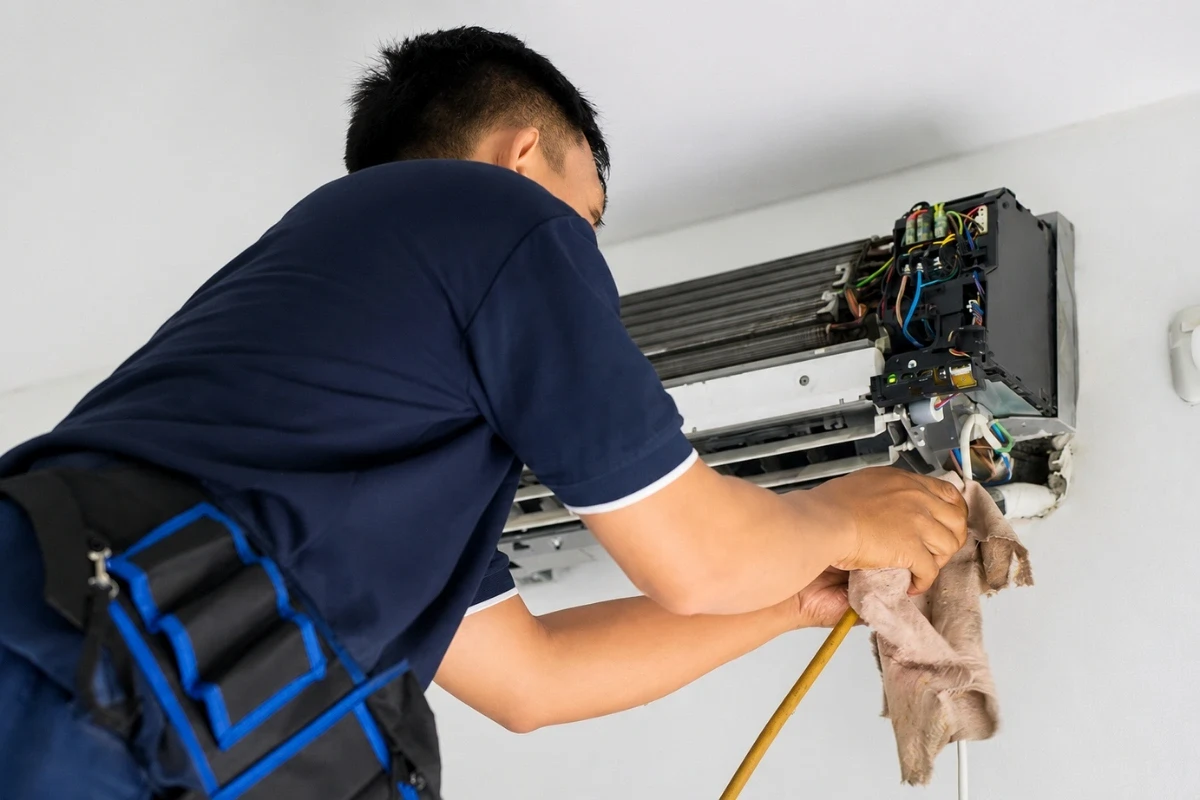
When I visit homes, I often hear people say their HVAC systems run all day, yet the rooms still feel warm and uncomfortable. Most of the time, it’s because of poor airflow in HVAC systems due to dirty or clogged air filters.
It sounds simple, yet it creates bigger problems, such as pressure imbalance and weak airflow. I have seen homes where a single small blockage slowly degraded the entire HVAC system’s performance. In this guide, we will walk through every cause and show how to fix them.
| TL;DR: Clogged air filters, leaky ducts, or frozen coils can weaken airflow from vents, preventing cold air from reaching your home. High static pressure or small return ducts can strain your HVAC system and increase energy costs. Start by changing your filter and clearing vent blockages. If airflow remains weak, consult a professional to check for leaks and balance your ducts. |
First, Understand About Weak Airflow in HVAC

I often hear homeowners complain that their homes feel like giant saunas. They assume the air conditioner is broken, but the air is actually quite cold. The real culprit is usually weak airflow, which means the air just moves too slowly.
There is a huge difference between weak airflow vs AC not cooling during a heatwave. Cooling issues involve the refrigerant cycle, while airflow issues involve the mechanical delivery of air.
Airflow problems feel like cooling problems because the cold air never reaches your living space. We see this lead to poor comfort, low energy efficiency, and a shorter system lifespan. Keeping the air moving keeps your indoor climate consistent and your utility bills much lower.
Let’s See What Possible Reasons Are Behind Weak Airflow
I have seen many strange things inside ductwork during my years in the field. Identifying the cause of low pressure requires a logical look at your entire system.
1. Dirty or Clogged Air Filter
The air filter is the most common point where air movement stops dead. A thick layer of dust blocks airflow into the unit. This restriction happens instantly once the mesh becomes saturated with household dirt and pet hair.
2. Blocked or Closed Supply Vents
Sometimes a new rug or a large sofa sits directly over your floor vents. These physical blocks prevent air from entering the room, creating a pressure imbalance. Always ensure your furniture placement allows for a clear path for the air to flow.
3. Closed or Obstructed Return Vents
Your system needs to breathe in as much air as it blows out today. Obstructed return vents choke the intake and create high levels of negative pressure indoors. This makes the blower motor work against a vacuum, which reduces the total air volume.
4. Dirty or Frozen Evaporator Coil
A dirty coil acts like a wall, preventing air from entering the ducts. If moisture freezes on the fins, the ice buildup causes a total airflow collapse. That’s why AC units freeze and fail mechanically.
5. Blower Motor or Fan Problems
The blower motor is the heart of your home’s air movement. Low motor speed or damaged fan blades significantly reduce the air’s force. Worn bearings also create friction, slowing the fan and producing loud noises.
6. Duct Leaks and Disconnections
Air often escapes through small gaps before it ever reaches your bedroom or kitchen. These leaks lead to massive energy waste and very weak delivery at the register. We find that sealing these holes provides an immediate boost to your comfort levels.
7. Blocked, Crushed, or Sagging Ducts
Flexible ducts in attics often sag or get crushed by heavy storage boxes. This creates a hidden but severe restriction that stops air from moving through the tube. Straightening these paths allows the air to reach its destination without any extra effort.
8. Duct Imbalance
Uneven distribution across rooms often indicates poor zoning in the house. You might have low airflow from the vents due to faulty zoning dampers or an improper zone setup. This is why you often find the upstairs hotter than downstairs during the summer.
9. High Static Pressure
Static pressure is the resistance your blower motor must overcome to move the air. High resistance comes from restrictive filters, undersized ducts, or even closed returns, causing a pressure imbalance. Lowering this pressure helps your system breathe easier and run much more quietly.
10. Poor Duct Design or Incorrect Sizing
Undersized return ducts act like a thin straw trying to move a thick milkshake. Long duct runs and sharp bends also create friction, reducing air velocity. Proper sizing ensures that every room receives the exact amount of air it requires.
11. HVAC System Size or Configuration Issues
An oversized unit often causes short cycling in air conditioners, which never allows the airflow to stabilize. You might also experience an airflow mismatch due to an undersized blower or insufficient return airflow. Expert technicians watch for “Blower Wheel Cavitation,” where the fan spins but moves nothing.
12. Outdoor Unit or Airflow System Restrictions

A dirty condenser coil forces the system to run longer and reduces overall performance. Many people don’t know about the AC refrigerant basics, so while checking. They think they have low refrigerant when the real problem is just dirt. However, you must protect your outdoor AC unit from debris to maintain high efficiency.
13. External Factors That Cause Weak Airflow
Poor attic insulation allows heat to soak through the ceiling and warm the air. The “Stack Effect” also pulls cold air down while pushing hot air into upstairs rooms. This makes the weak airflow feel worse, even if the fan is working perfectly.
You might notice that high humidity makes airflow feel weak and heavy on your skin. You might notice odd smells from your air conditioner, especially during high-humidity days. Because humidity creates a warm air sensation despite airflow coming from the vents in each room.
Weather protection also helps maintain airflow performance year-round.
If you take a minute to protect your AC unit during a storm, it will help keep the air flowing later and prevent damage.
There Might Be Some System-Specific Airflow Problems
Every HVAC system behaves a little differently when airflow issues start showing up. I often notice that the root cause shifts depending on the system type and design. Understanding these small differences helps you diagnose problems faster and fix them correctly.
Weak Airflow in Furnaces
Furnaces rely on a clean heat exchanger and blower to push warm air out. Dust buildup on the blower wheel is the most frequent cause of low velocity.
Weak Airflow in Heat Pumps
Heat pumps move a lot of air to maintain the correct indoor temperature balance. Any restriction in the outdoor unit can significantly affect indoor air delivery.
Weak Airflow in Mini Split Systems
Mini splits use small, sensitive fans that clog easily with common household dust. Cleaning the reusable filters monthly keeps these units running at peak performance.
Sometimes, Different HVAC Brands Show Airflow Issues in Their Own Way
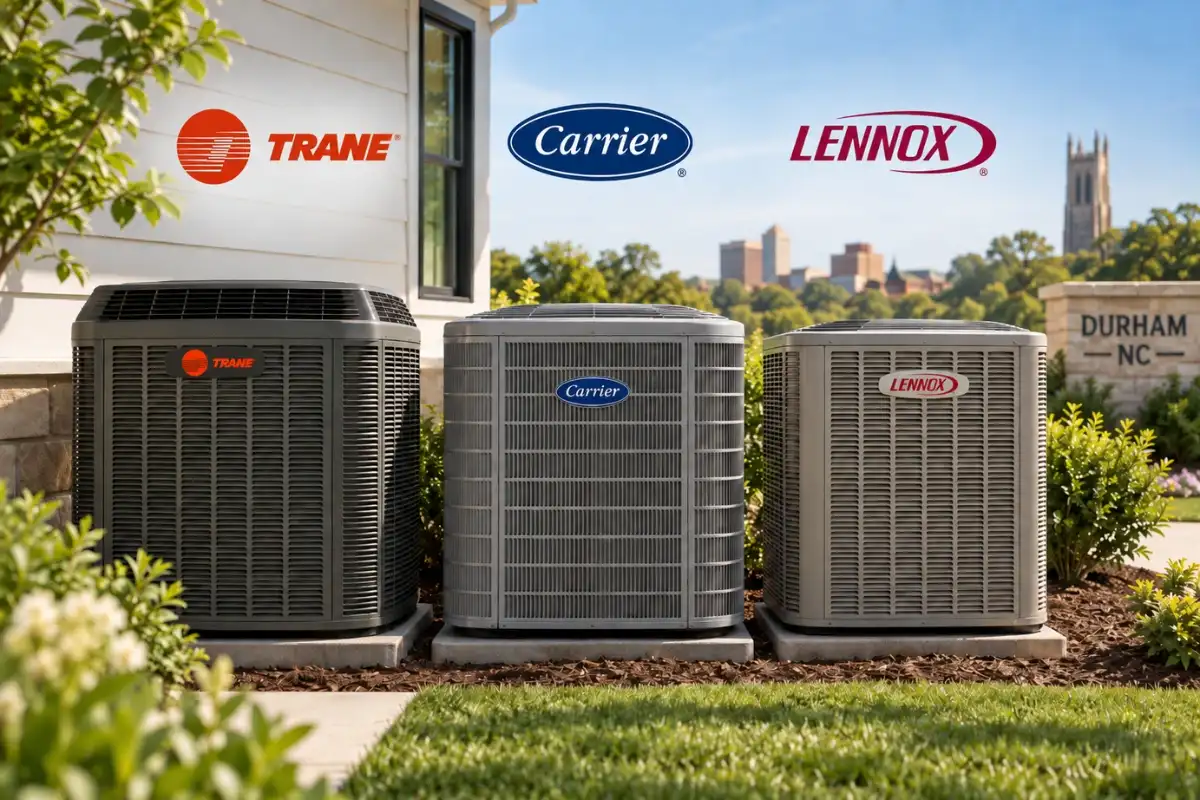
Each HVAC brand designs systems with unique controls and airflow responses. I often notice these differences during service calls across different home setups.
Trane Airflow Problems
Trane systems often use Variable Speed Motors that are sensitive to high static pressure. These motors will slow down or rev up to compensate for restricted air paths.
Carrier Airflow Problems
Carrier units with Infinity Control will often display specific error codes for airflow restriction. These smart systems tell you exactly when the ducts are too small or blocked.
Lennox Airflow Problems
Lennox systems often use iComfort thermostats that send alerts when the air filter is clogged. This helpful feature ensures you never forget to maintain your system’s health.
How to Fix Weak Airflow (Step-by-Step)
I always suggest a quick troubleshoot before you spend money on a professional repair. You should check the filter, inspect all vents, and listen closely for the blower. Look for any visible ice on the lines or dust on the return grilles.
These pre-steps can help you to maintain your air conditioner and save you from many common headaches later.
1. Replace or Clean the Air Filter

You should slide out the old filter and replace it with a fresh one. A clean filter allows air to pass through the system without any unnecessary resistance.
2. Open and Clear All Vents
Walk through every room and ensure all supply and return grilles stay fully open. Removing rugs or furniture from these areas restores the natural balance of your air.
3. Check Thermostat Fan Settings (ON vs AUTO)
Set your fan to “ON” to see if the air moves more consistently today. If the air stays still, you might have a digital thermostat not working or a blown fuse.
4. Clean Evaporator Coil and Blower Components
Use a soft brush or specialized spray to remove dust from the inner coils. A clean blower wheel moves much more air with every rotation.
5. Inspect and Repair Duct Leaks
Use foil tape or mastic sealant to close any gaps in your exposed ductwork. Sealing these leaks ensures that all the air stays inside the conditioned living space.
6. Reduce Static Pressure (Expert-Level Fix)
You can upgrade your return air capacity by adding a second return vent. Always use the proper filter rating recommended by the team at Alternative Air.
7. Balance Your Duct System
Adjust the internal dampers to send more air to the furthest rooms in the house. This balances the pressure so every family member stays cool and very comfortable.
8. Fix or Replace Damaged Ductwork
Straighten out any flexible ducts that have kinks or sharp bends in the attic. Removing these blockages allows the air to reach high speeds throughout the entire home.
9. Redesign or Resize Duct System (Advanced)
A structural fix is necessary if your ducts are too small for your unit. You will know the system is wrong if the air whistles through vents.
10. Improve Airflow Management
Add more return vents in the bedrooms to improve overall airflow. Better management prevents hot spots and cold spots from forming in your favorite rooms.
When to Call an HVAC Professional
Call an expert if you still notice persistent weak airflow after cleaning the filter. Suspected design issues or high-pressure problems require professional tools and advanced technical training.
Sometimes, You Just Need to Troubleshoot Based on Specific Symptoms
I like to match symptoms to solutions to save time and effort. If only one room feels weak, look for a duct imbalance or blockage. Weak air, combined with high energy bills, usually points to leaks or low static pressure. When you feel weak air plus high humidity, you likely have poor airflow management. If the air barely comes out at all, check the filter, blower, or coil. These are common summer HVAC issues that we solve for our local neighbors every day.
Frequently Asked Questions
Duct booster fans help move air through long duct runs, but they can’t fix problems like leaks or returns that are too small.
Moisture on windows or exhaust fumes near the furnace may indicate a clog. It happens due to bird nests, snow, or debris blocking the exit.
Modern furnaces have a pressure switch that immediately shuts off the system if a vent is blocked, preventing dangerous flue gases from re-entering your home.
If the exhaust is blocked, the furnace will shut down to prevent carbon monoxide buildup. You may notice a flickering or yellow flame instead of a steady blue one.
Final Takeaway
We have covered everything from simple dirty filters to complex ductwork design issues today. Most airflow problems start small but grow into expensive repairs if you ignore them. Basic fixes like changing your filter or opening vents solve many common comfort complaints. However, advanced issues like high static pressure or duct leaks require a professional system-level solution. You can trust Alternative Air to balance your home and restore your powerful air delivery.