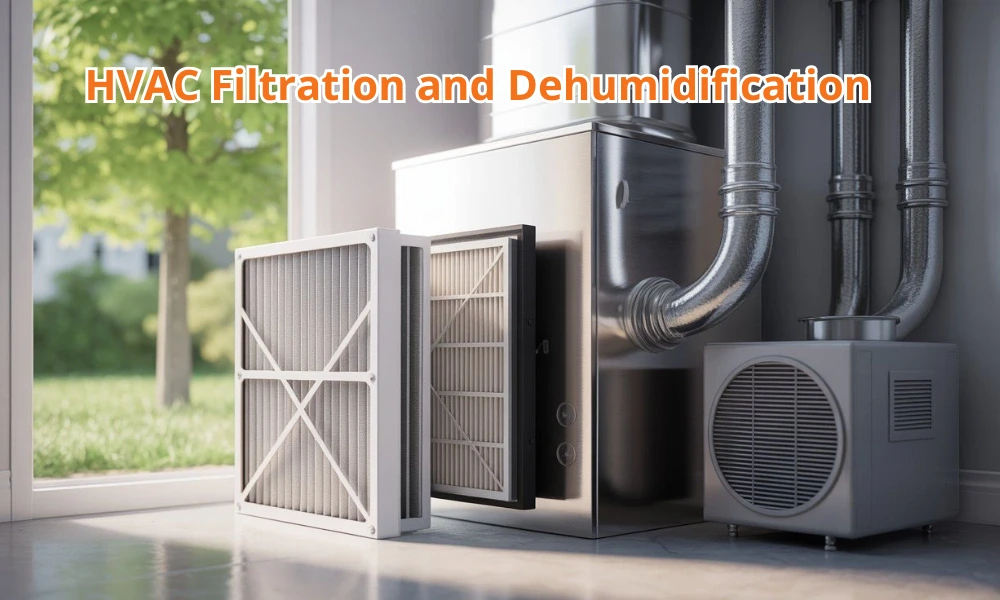
Filtration and dehumidification improve indoor air quality by removing allergens and controlling indoor moisture, creating healthier, fresher air while reducing mold, dust mites, and stuffiness.
The ideal humidity range is 30–50%; filters capture dust, pollen, and particles, while dehumidifiers eliminate excess moisture. It prevents that sticky feeling and protects your home from water-related damage.
Durham homeowners deal with high humidity, seasonal pollen, and everyday dust that can affect comfort, sleep, and energy bills. I’ve seen homes feel heavy and HVAC systems work overtime just to keep up.
The right system balances filtration, humidity control, and efficiency, improving comfort and energy savings year-round, exactly the method we take at Alternative Aire.
|
Key Takeaways
|
The Importance of Indoor Air Quality
I have spent years helping homeowners improve their HVAC systems. From experience, indoor air quality greatly affects home comfort and overall health.
We often underestimate allergens, dust particles, and excess humidity’s impact our daily lives. Research shows that poor indoor air quality can cause respiratory issues. It can also lead to headaches and affect sleep. For families with children, seniors, or allergy-sensitive occupants, the stakes are even higher.
I’ve noticed a clear pattern of clean, filtered air in the rooms during inspection. Air is fresher, helps clients sleep better, and often helps reduce monthly energy bills. High-quality air filtration systems capture indoor pollutants. It also reduces asthma symptoms and allergy triggers.
Here is a quick summary on various indoor pollutants, common sources, and their impact on health:
| Indoor Pollutant | Common Source | Impact on Health |
| Dust | Indoor surfaces | Allergies and irritation |
| Pollen | Outdoor air | Sneezing and watery eyes |
| Pet Dander | Pets | Asthma triggers |
| Mold Spores | Damp areas | Respiratory Issues |
What Is The Best Humidity For Indoor Comfort?
The best indoor humidity for comfort and health usually sits between 30% and 50%, though some recommend a tighter range: 30–40% in winter and 40–50% in summer.
You need to keep humidity in this range to help prevent mold, dust mites, and dry skin, improve sleep, and protect your home. Levels above 60% encourage mold and mildew, while levels below 30% can dry out skin, wood, and wallpaper.
How Air Filters And Dehumidifiers Work Together To Improve Indoor Air Quality?
Air filters and dehumidifiers work together to create cleaner, healthier, and more comfortable indoor air. Each handles a different problem, and together they tackle both airborne pollutants and excess moisture 2 major causes of poor indoor air quality.
1. Air Filters: Capture Particles and Allergens
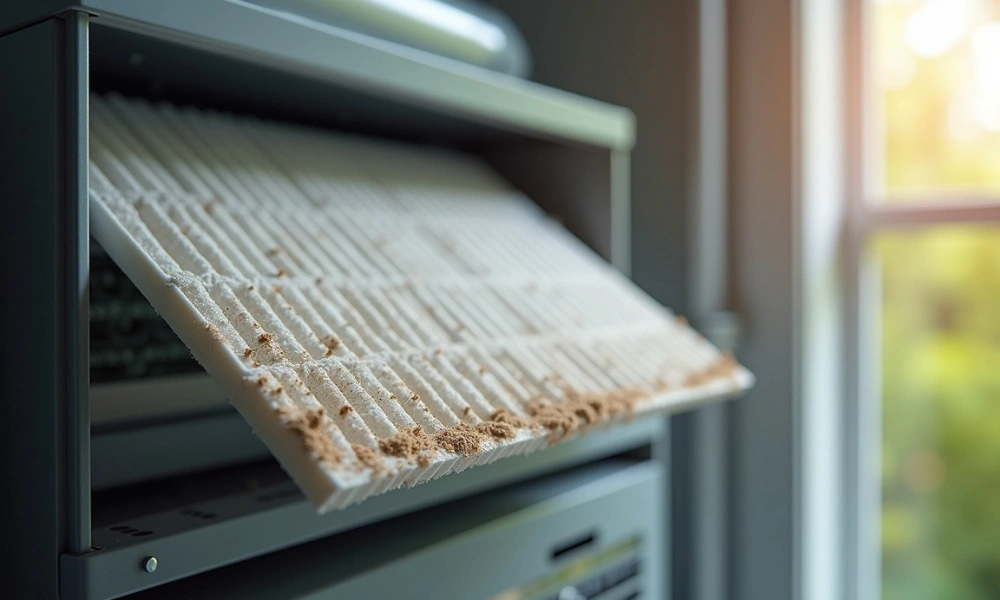
Air filters trap airborne particles before they circulate in your home. Depending on the filter’s efficiency (MERV rating), they catch:
- Dust and dirt
- Pollen and mold spores
- Pet dander
- Smoke and fine particulates
They remove these contaminants, filters reduce allergy and asthma triggers, improve breathing comfort, and prevent dust buildup in your home and HVAC system. Clean filters also let your AC or furnace run more efficiently.
2. Dehumidifiers: Control Moisture and Mold Growth
Dehumidifiers remove excess moisture from indoor air, keeping relative humidity between 30% and 50%. This:
- Stops mold and mildew from growing
- Reduces dust mite populations
- Eliminates sticky, uncomfortable air
- Protects wood floors, furniture, and walls from water damage
Controlling humidity also reduces strain on your HVAC system and improves energy efficiency.
3. Working Together: Maximize Indoor Air Quality
Air filters and dehumidifiers complement each other:
- Filters clean the air by removing dust, pollen, and other particles
- Dehumidifiers control moisture, preventing mold and dust mites from thriving
- Together, they improve comfort, protect your home, and reduce HVAC stress
In humid cities like Durham, NC, high-quality filters alone cannot stop mold if humidity stays high. Dehumidifiers alone cannot remove dust or pollen. Using both ensures clean air and proper humidity levels, keeping your home comfortable, healthy, and energy-efficient.
Basically, air filters remove particles, dehumidifiers remove moisture, and together they create a healthier, more comfortable home.
Picking the Right Air Filter for Your HVAC System
I’ve seen many homeowners make the mistake of choosing the highest MERV rating. Especially without considering HVAC airflow.
A high-MERV air filter is efficient in capturing smaller particles. It’s not always compatible with every HVAC system. Homeowners often focus on filtration but miss other solutions. Other accessories, such as UV lights and smart sensors, also help with improving indoor air quality. They help keep the air cleaner and maintain balanced airflow in the environment.
| Filter Type | Efficiency(MERV) | Efficiency | Best Use |
| Fiberglass | 1-4 | Captures large dust & debris; limited allergen removal | Basic dust protection |
| Pleated | 8-13 | Captures 70–95% of 1–10 µm particles | Standard homes, allergy-prone areas |
| HEPA | 16-20 | Captures 99%+ of particles down to 0.3 µm by using the right SEER ratings. | Sensitive occupants, medical needs |
| Electrostatic | MERV(8–13) | Reusable, captures fine dust, pet dander, and small particles effectively | Homes with pets or dust issues |
Best Choice for Durham: A MERV 8–13 pleated air filter works well for most Durham homes. An electrostatic air filter in this range is also effective. Both provide a good balance of filtration performance and energy efficiency.
What Is Merv Rating In An Air Filter?
MERV (Minimum Efficiency Reporting Value) shows how well an air filter captures particles. A higher MERV rating gives better filtration. However, it can also reduce airflow. That’s why it’s important to choose a filter that matches your HVAC system design.
From my visits, I notice homes with high-MERV filters but poor airflow:
- Restricted airflow forces the HVAC system to work harder, increasing energy consumption.
- Poor airflow causes uneven temperatures and reduced home comfort.
- Continuous strain accelerates equipment wear, shortening HVAC lifespan.
How to Optimize Your HVAC Performance With Perfect System Balancing?
I often see high-MERV filters installed without considering the HVAC system type. Without proper balance, air filters can sometimes damage the system. Here’s how to optimize HVAC performance with seamless balancing:
- Check your system’s specifications: Every HVAC system has a maximum MERV rating it can handle. Installing a filter beyond this limit can reduce airflow. It also forces your system to work harder.
- Replace filters : It is recommended to replace air filters every 3 months or sooner. It is essential to maintain efficiency and protection from unnecessary wear.
- Monitor airflow and pressure drop: Watch for signs like uneven room temperatures or unusual fan noise. It helps to prevent long-term system stress.
Here’s a quick guide on which MERV rating suits your home and comfort needs:
| MERV Rating | Particle Capture | Airflow Impact | Ideal Use |
| 8 | Dust and pollen | Minimal | Standard Homes |
| 11 | Mold spores and pet dander | Moderate | Allergy prone households |
| 13 | Smoke and fine particles | Higher | Sensitive occupants |
The Role of Dehumidifiers in Maintaining Home Comfort
You surely notice that indoors can sometimes feel sticky, even with a well-ventilated HVAC system. It’s because of high humidity, and dehumidifiers are a simple yet powerful solution. In many cases, moisture control also depends on equipment design.
That’s why understanding a two-stage vs variable speed AC system is necessary. It will help to achieve a better humidity balance and comfort.
Dehumidifier Types and Their Efficiency
| Dehumidifier Type | Capacity (pints/day) | Best Use |
| Portable | 30-70 | Single rooms, apartments |
| Whole Home | 70-130+ | Full house, integrated with HVAC |
| Refrigerant based | 30-130+ | Most climates, versatile use |
| Desiccant | 30-100+ | Cool, low temp spaces |
We think A whole-house dehumidifier is an excellent choice for the Durham Homes balance of capacity and energy efficiency.
Real Life Example of Whole Home Dehumidifier
One Durham,NC homeowner noticed thattheir basement always smelled musty. After installing a whole-home dehumidifier, the air felt crisp. Family members with allergies also reported fewer sneezing episodes. Energy bills also dropped slightly as the AC didn’t need to run as often..
Maximizing HVAC Efficiency with Filtration & Dehumidification
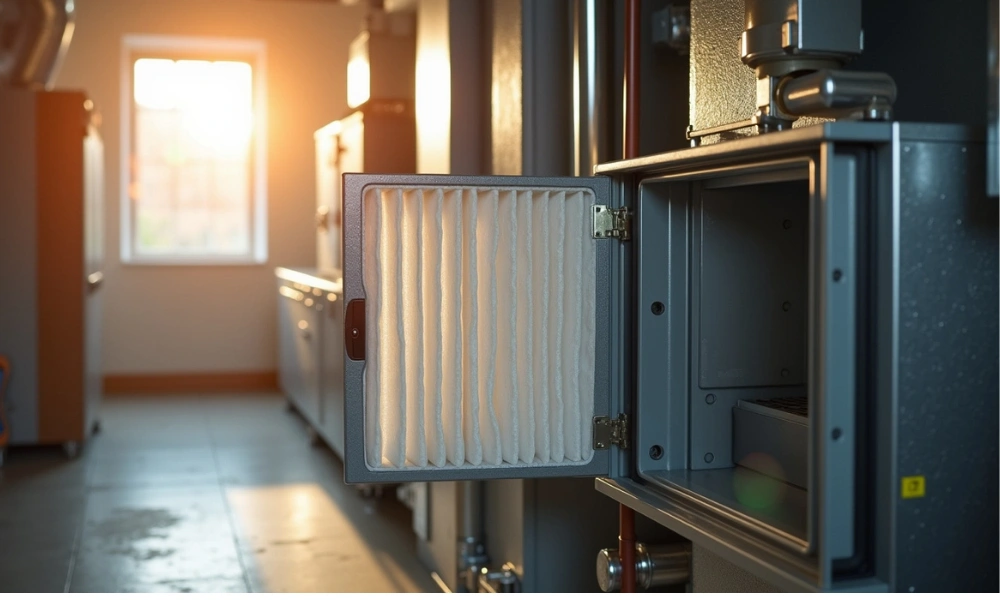
Many homeowners don’t realize that proper filtration and dehumidification can extend the life of their HVAC system. Together, they help your system run more efficiently, provide cleaner air, and keep your home comfortable.
Filters: The right air filters capture dust, pollen, and other particles before they reach your HVAC coils. This keeps coils clean, maintains airflow, and prevents your system from working harder than it needs to. It saves energy and protects your equipment.
Dehumidifiers: Dehumidifiers control indoor humidity and stop moisture from forming in ducts. This reduces mold, prevents musty smells, and protects your HVAC from corrosion.
Working Together: Using filters and dehumidifiers at the same time keeps coils clean and ducts dry. This reduces breakdowns, lowers maintenance needs, and helps your system run efficiently while keeping your home comfortable year-round.
How Smart Home Integration Enhances Better Home Comfort
Keeping your indoor air quality optimal doesn’t have to be complicated. With the right smart sensors, you can automatically monitor your home’s humidity and air particles.
As a result, your HVAC system works efficiently, and your family breathes easier. Here’s how smart sensors make a difference:
- Sensors constantly track humidity and airborne particulate matter. It prevents mold growth and dust accumulation.
- Automated filter alerts notify you when to replace air filters. It ensures your HVAC efficiency.
- Smart thermostat integration with automatic adjustments optimizes energy use and maintains consistent comfort levels.
- Using the right temperature settings also greatly improves indoor air quality.
Basically, smart thermostats are especially effective when paired with https://alternativeaire.com/control-indoor-humidity-thermostat-settings-summer-durham-nc/. It helps to maintain comfort without overcooling your room.
Keep in Mind: Pairing smart sensors with your filtration and dehumidification provides a seamless approach to boost comfort. It also reduces energy bills and extends your HVAC lifespan.
Conclusion
What we’ve learned over time is simple: comfort comes from balance. When air filters, dehumidifiers, and HVAC airflow work together, systems last longer, and homes feel better every day.
At Alternative Aire, we encourage homeowners to focus on steady maintenance and smart upgrades, rather than extremes, to achieve healthier indoor air and dependable year-round comfort.
Frequently Asked Questions
- Do high-MERV filters always improve air quality?
Only if HVAC airflow can handle it; otherwise, may strain the system.
- Can I combine multiple air quality devices?
Yes, filtration and dehumidification complement each other.
- Are all filters compatible with every HVAC system?
No, high-MERV filters may reduce airflow if system isn’t designed for them.
- Is professional installation necessary?
Recommended for optimal performance and warranty compliance.
- How do I monitor indoor air quality effectively?
Use a combination of sensors for humidity, particulates, and CO₂ levels.