Ever wonder what actually cools your AC? An AC refrigerant is the vital chemical fluid inside your cooling system that absorbs heat from your home and releases it outside. Without it, your house stays hot.
While recharging refrigerants in our service calls at Alternative Aire, we see many homeowners confused about its whereabouts. This guide gives you a direct look at how this fluid works, signs of leaks, and the new rules for 2026.
| TL;DR AC refrigerant is the essential fluid in your sealed cooling system, meaning low levels always point to a leak that requires a certified professional to safely repair under the latest environmental laws. |
What Is AC Refrigerant and How It Works
AC refrigerant is a chemical that changes from a liquid to a gas to absorb heat and cool your house. We call this process the refrigeration cycle or vapor compression cycle.
Here is how it works:
- Hot indoor air blows over your indoor evaporator coil.
- Inside that coil, the low-pressure gas absorbs the heat.
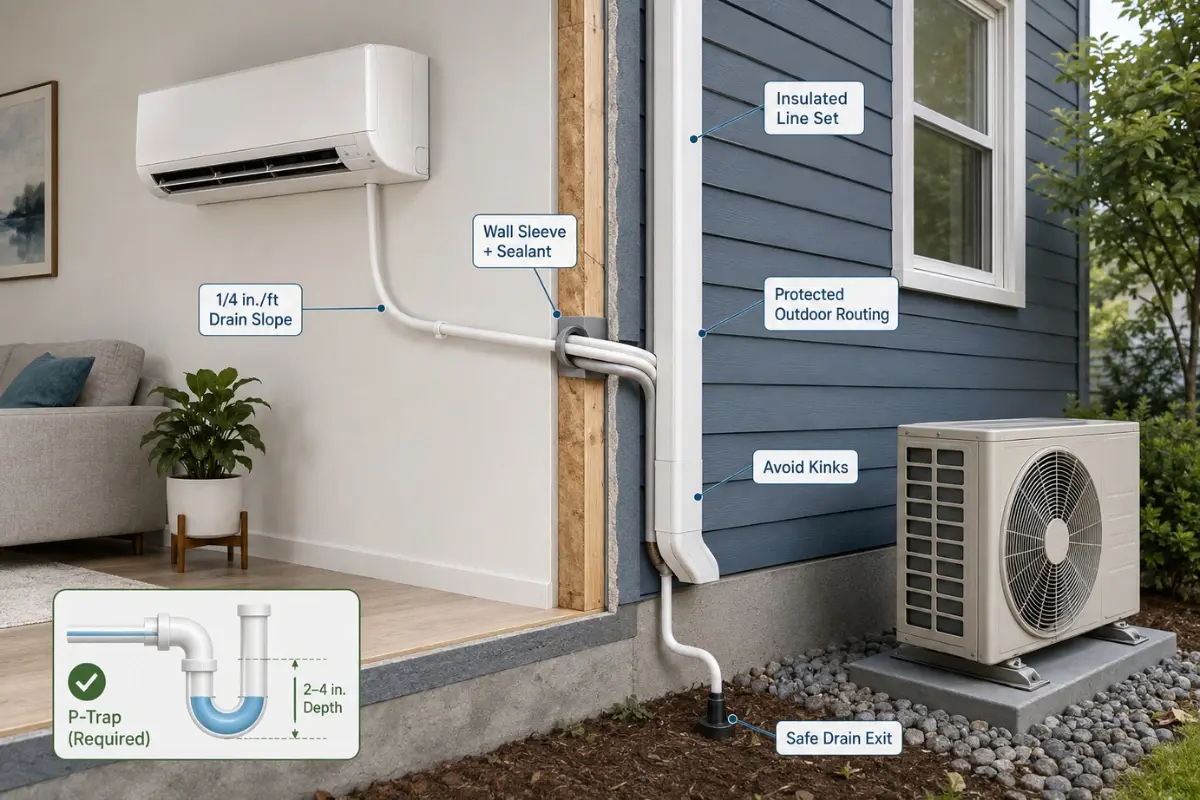
- Then, it travels through copper refrigerant lines to the outdoor compressor. Here, the machine squeezes it into a high-pressure liquid.
- Finally, the outdoor condenser coil releases the heat into the outside air.
This heat transfer process is a closed-loop system. It relies on a constant phase change. If something blocks this airflow, your system struggles. This is actually one of the main causes of weak airflow.
Types of Home AC Refrigerant and The 2025 Update
The main home AC refrigerant types are R-22, R-410A, and the newer R-454B. They are replacing older fluids to protect the environment. The history of cooling started with inventors like Willis Carrier. For decades, we used R-22 (also known as HCFC-22 or the Freon trademark). But due to ozone depletion, the Montreal Protocol started the R-22 phaseout.
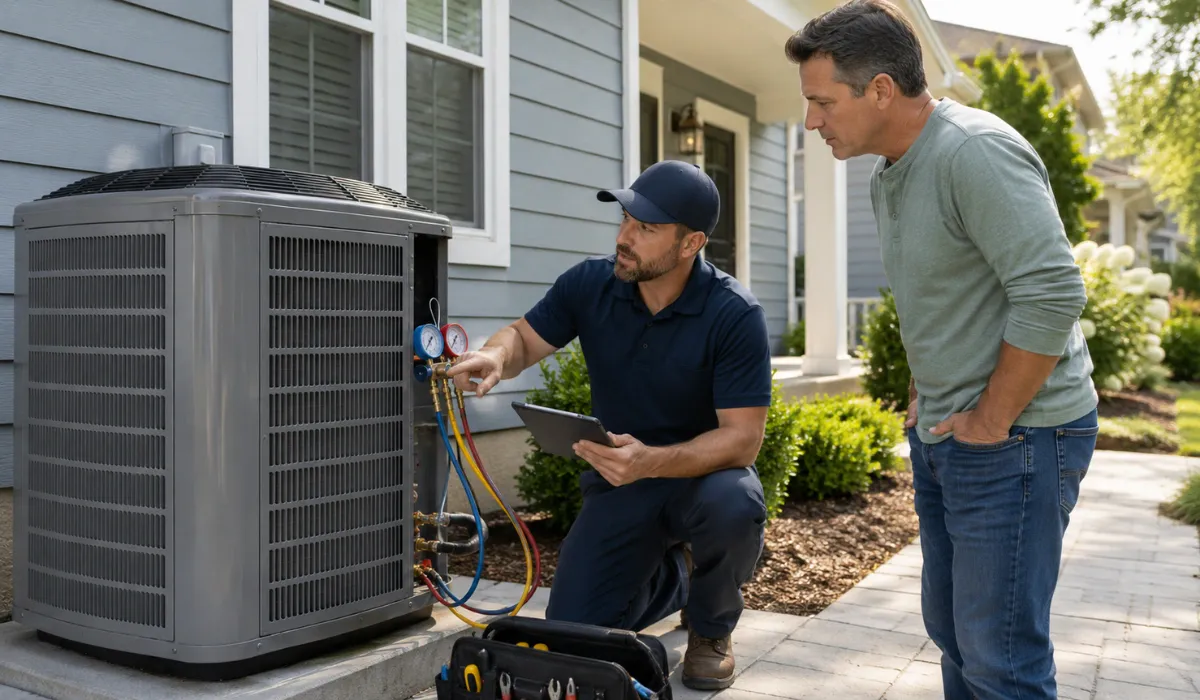
Then, we moved to R-410A (often called Puron), which is an HFC. Now, because of the AIM Act and rules from the Department of Energy (DOE), we face an HFC phasedown. We are moving to low-GWP (Global Warming Potential) refrigerant options to lower our environmental impact.
The new standard for 2025 and afterwards is R-454B (or Puron Advance). This is an A2L fluid. It is an ozone-friendly refrigerant. If you buy a new air conditioner or heat pump from brands like Carrier, Trane, or Bryant, like solving most common AC problems in summer, they will use these next-generation refrigerant options like R-454B or R-32.
The “Topping Off” Myth and DIY Dangers
You should never just “top off” your system because it is a sealed refrigerant system. It means low fluid always points to an AC refrigerant leak.
Many people think that topping up their fluid can save on the cost of AC refrigerant. However, it is highly unsafe and illegal. A sealed HVAC system doesn’t use up fluid like a car uses gas. Low refrigerant levels almost always indicate a leak. Adding more fluid without repairing the leak will reduce the levels again and cause short-cycling.
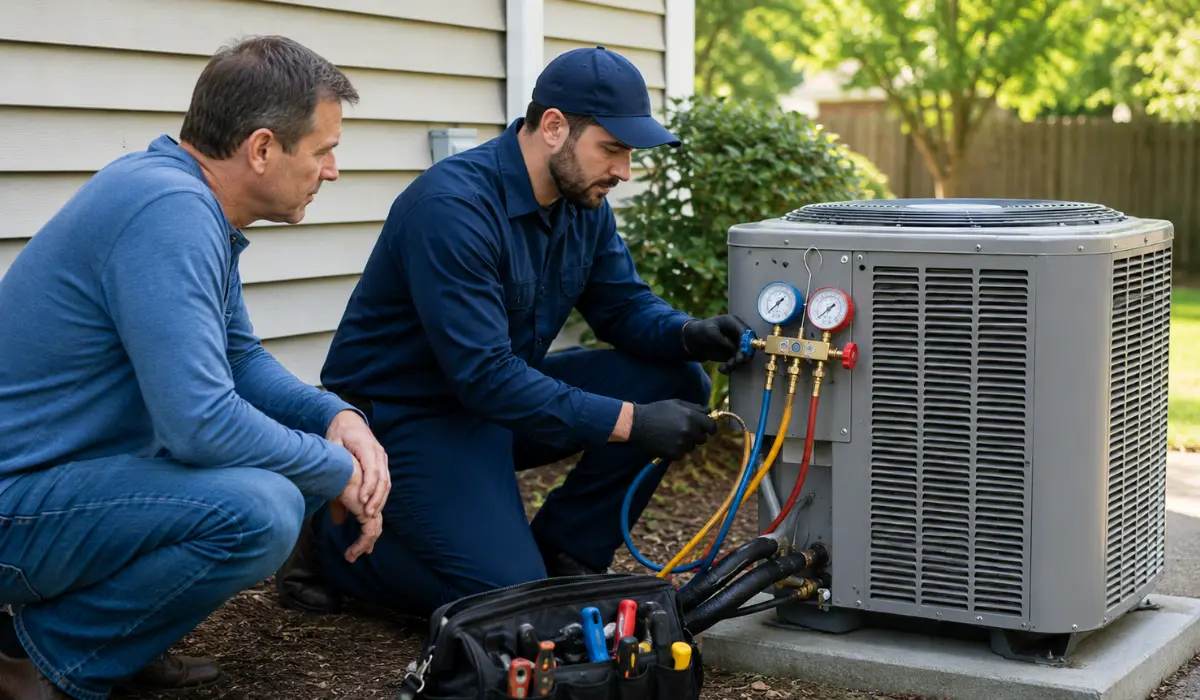
Also keep in mind that federal EPA refrigerant rules state that only a certified technician can handle these chemicals. Professionals must have Section 608 certification from the U.S. Environmental Protection Agency. It is illegal for a homeowner to do a refrigerant recharge.
Signs Your System is Low on Refrigerant
The most common signs of low refrigerant in AC include ice buildup on coils, hissing sounds, and blowing warm air.
If you hear a hissing sound from your AC, don’t immediately assume a broken control board is why your digital thermostat isn’t working right. Instead, turn the system off and ask for professional help. This sound indicates low refrigerant levels. Running it while the refrigerant is empty can end up with a damaged compressor or a complete system shutdown.
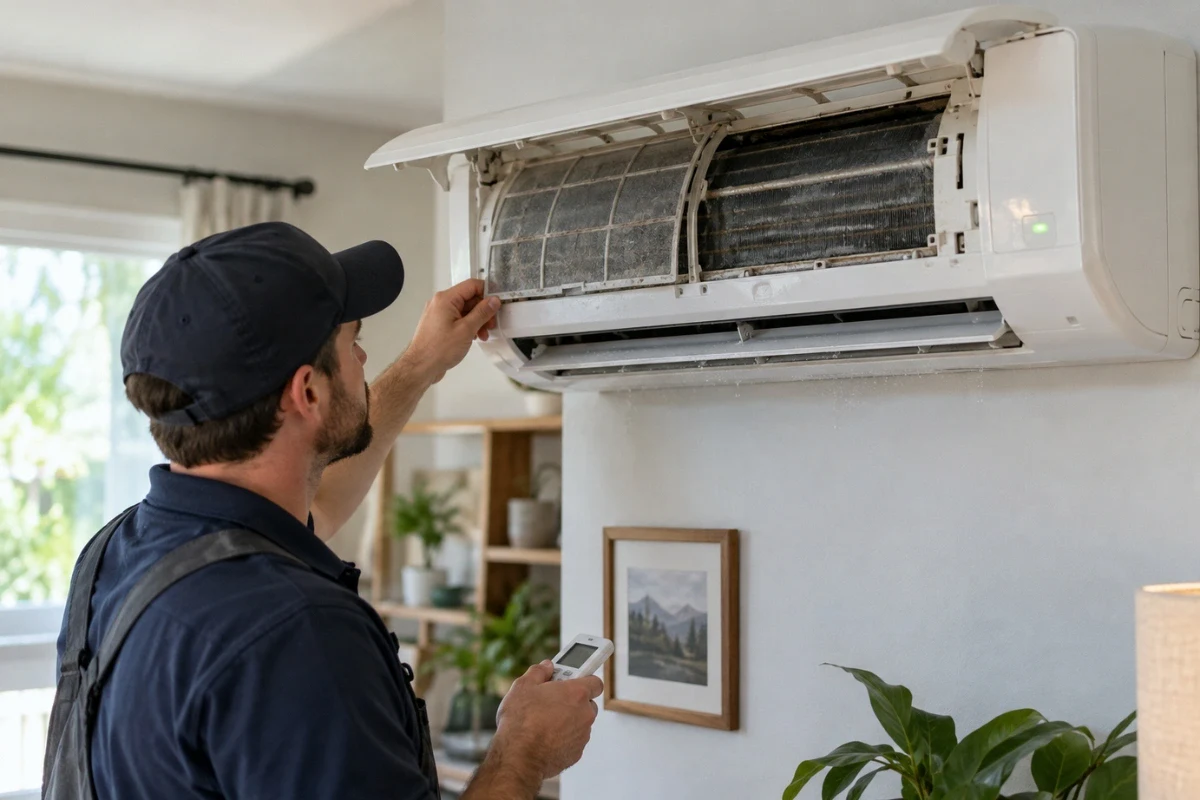
Your AC unit freezing up is another telltale sign. You might visibly see ice on the evaporator coil because of low refrigerant. To remove coil and line icing, go for defrosting first.
The Mixing Disaster You Must Avoid
You cannot mix different cooling fluids because they operate at different pressures. Mixing them will destroy your equipment.
If you mix an old fluid with a new one, you will ruin the compressor. During bad weather, flying branches can break your outdoor lines and cause a massive leak. So, protect your outdoor AC unit during storms and power events. This will keep your refrigerant charge secure.
Moving Units and Safe Handling
It is a federal crime to vent cooling fluids into the air. You must use proper recovery equipment to safely remove it.
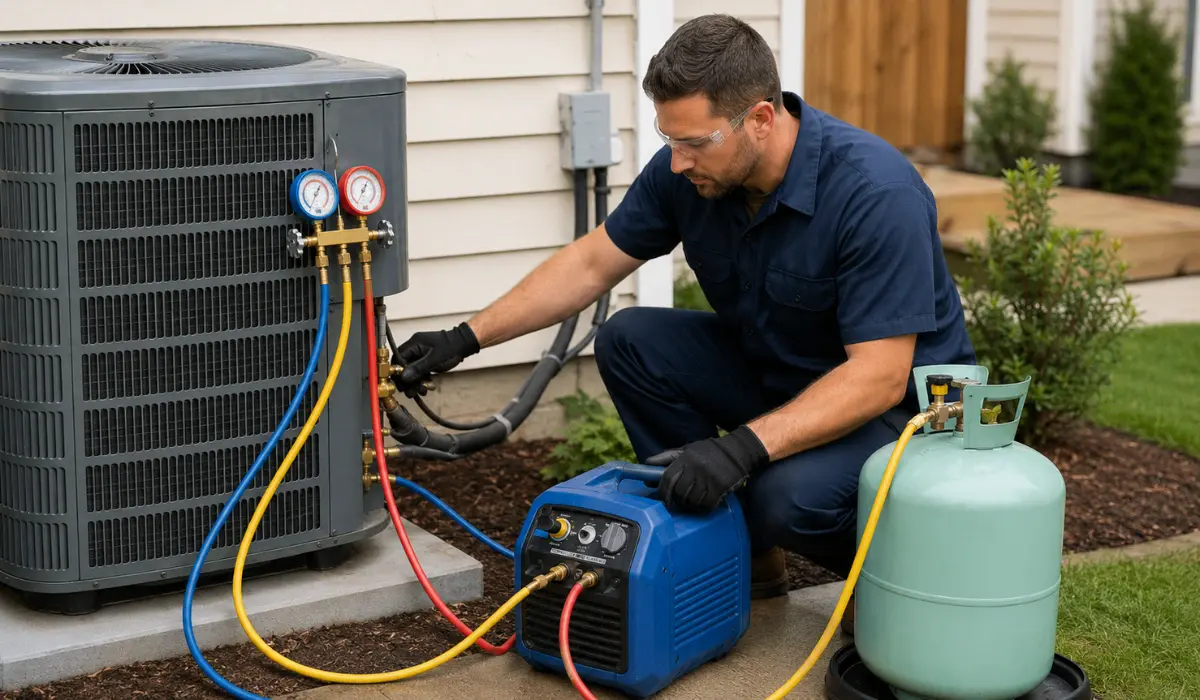
You may already want to try some DIY tricks to address the bad odor. Keep in mind that a chemical refrigerant leak is typically odorless. Trapped moisture inside an unserviced system is one of the main reasons behind bad AC smells. However, you still need to let professionals handle the leak for safety and regulatory purposes.
The Clean Air Act requires strict refrigerant management and emissions reduction. As HVAC technicians, we have to perform refrigerant recovery and recycling, and send old fluid for safe service and disposal. Sometimes, we use reclaimed refrigerant that meets strict industry purity standards.
The best way to catch these issues is by following standard air conditioner maintenance tips, like scheduling seasonal inspections. During these visits, we use electronic leak detectors, ultraviolet (UV) dyes, or a simple soap bubble test for exact detection.
Final Thoughts
Understanding how AC refrigerant works helps you take better care of your home. From recognising a pressure drop to knowing the difference between R-410A and the new A2L substitutes, you can make smart choices.
Remember, your system is sealed. If it is low, you have a leak that needs professional attention. At Alternative Aire, our certified experts are always ready to help you fix leaks, upgrade your system, and keep your indoor air safe and cool.
Frequently Asked Questions (FAQs)
Because an air conditioner is a closed loop, the fluid should last the entire lifespan of the unit (usually 15 to 20 years). It does not get consumed like gas in a car.
Yes. Many modern systems have built-in safety switches. If the pressure drops too low due to a leak, the system will shut down completely to protect the compressor from burning out.
The industry is shifting to R-454B and R-32. These are mildly flammable A2L fluids with a much lower impact on global warming compared to older chemicals.
Yes. You cannot put new fluids like R-454B into a system built for R-410A. The internal parts, pressures, and safety sensors are completely different.
Ideally, never. You only need to add fluid if there is a physical hole or crack in your copper lines or coils, causing a leak.
Historically, the four main classes used in cooling are CFCs (like R-12), HCFCs (like R-22), HFCs (like R-410A), and HFOs (newer blends like R-1234yf used mostly in cars but influencing home systems).
No. Federal law requires anyone handling these chemicals to have an EPA Section 608 certification. Buying and handling these fluids without a license is illegal and dangerous.
Yes. Releasing any cooling chemical into the atmosphere is a violation of the Clean Air Act. Technicians must use specialised machines to recover and store the fluid safely.